This article may contain affiliate links. If you buy through them, Finding Joy in the Ordinary may earn a small commission at no extra cost to you. Learn more.
When I woke up one morning, the sunlight was streaming through my bedroom window in a way that felt almost magical. It made me pause and wonder: what if I paid closer attention to the light in my mornings? Would it shift my perspective or even my mood? This question sparked my curiosity and led me to a small, personal experiment over the next few weeks.
To dive into this, I decided to track how different qualities of light affected my mornings. I set the experiment for a week, starting on a Wednesday. Each morning, I would pay attention to the light in my bedroom, kitchen, and living room as I moved through my routine. I wanted to see if specific types of light, soft, bright, or even overcast, would influence how I felt and how productive I was.
Setting the Stage for Observation
On my first day of the experiment, I noticed the light in my bedroom right after waking up. The sky was clear, and the sunlight poured in, casting warm patches on my quilt. I made my way to the kitchen, where the early light bounced off the white walls, brightening the space. With a cup of tea in hand, I felt energized. I jotted in my notebook that I felt motivated to tackle my to-do list.
By contrast, the next morning was overcast. The light was dim and gray, creeping into my space rather than bursting in. I was slow to get out of bed, and even the simple act of brewing coffee felt like a chore. I noted in my log that I felt more introspective but less inclined to engage with my daily tasks. It was interesting to see how different light conditions affected my mood and energy levels so quickly.
Making Small Adjustments
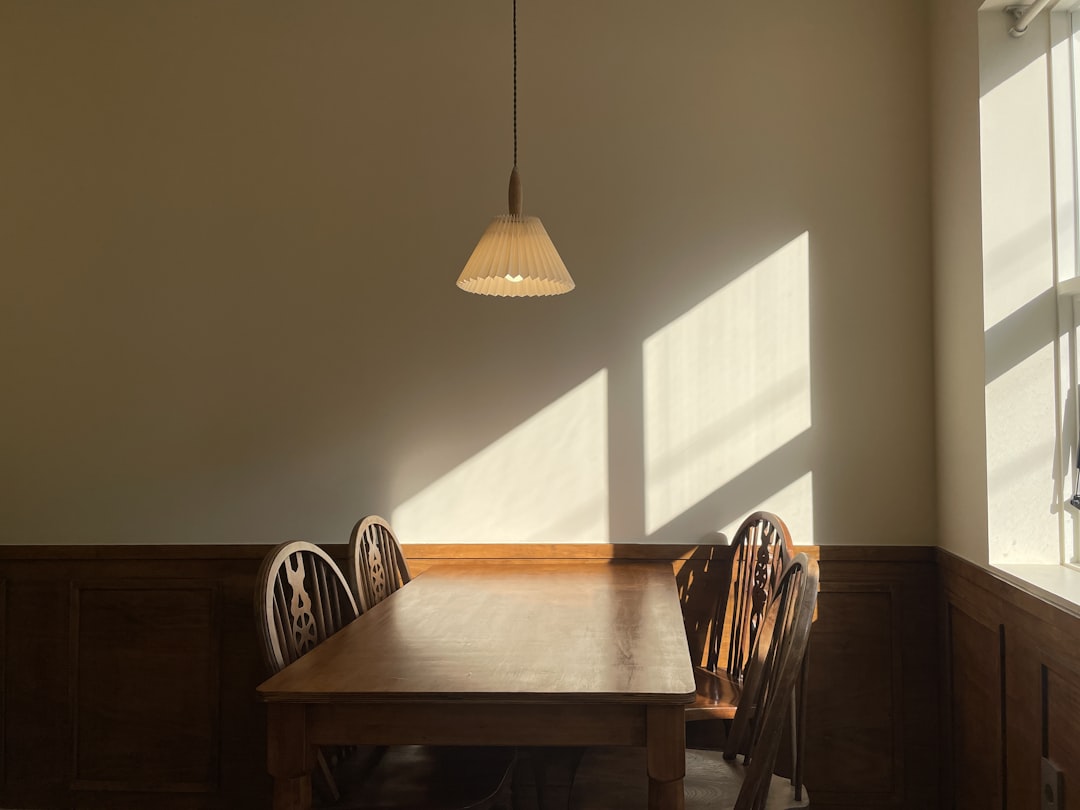
After those first couple of days, I decided to make small adjustments to my environment to enhance my experience with light. On the third day, I moved a chair from the corner of the living room to the window where the light was brightest. I wanted to see if changing my physical space would change how I felt. Sitting there, with the sunlight warming my skin, I could see the little dust particles dancing in the air. It made me appreciate the moment. I felt a sense of calm wash over me as I sipped my tea, truly present.
In contrast, on the fourth day, I tried keeping the curtains drawn, allowing only a sliver of light to enter. The room felt subdued and quiet. My thoughts were scattered, and I struggled to focus on my writing. I logged that the absence of light created an almost heavy atmosphere. It made me wonder: does light provide more than just brightness? Does it shape our mental clarity too?
Exploring Different Mornings
By the end of the week, I had experienced a range of mornings. On Friday, I woke up to sunshine again but chose to meditate by candlelight instead, letting a softer light guide my thoughts. The flickering flames created a different ambiance, one that felt cozy but less stimulating. I noted in my journal that while this morning felt peaceful, it lacked the motivation I had felt on the sunniest days. It was an enjoyable experience, but I missed the clarity that comes with natural light.
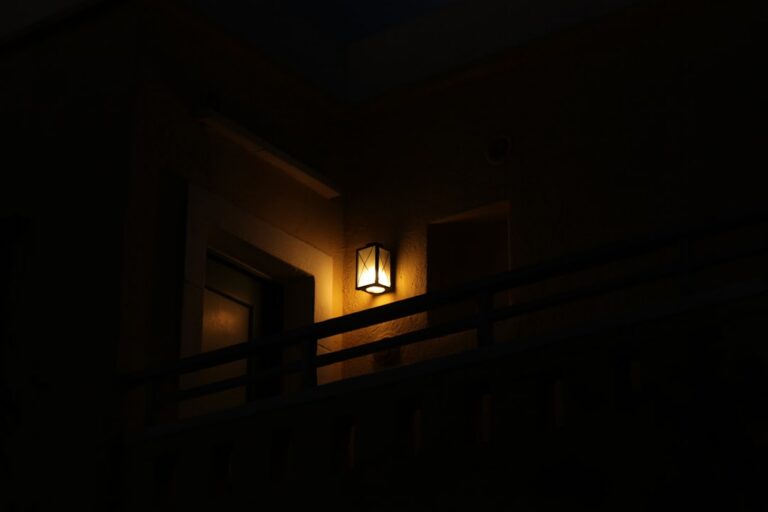
The following weekend brought a surprise: a snowstorm. I hadn’t accounted for the winter grayness that often lingers in the mornings. Each day, the sky was a blanket of clouds, dulling the light. I found myself gravitating toward the small lamp in my living room, turning it on to brighten my space. It was a stark contrast to the vibrant light in previous mornings and pushed me to think differently about my mood. I journaled that I felt more reflective but less productive during these darker mornings. The warmth of the lamp was comforting, but it lacked the invigorating spark of natural light.
Logging the Results
As I finished my week of experimentation, I took the time to review my notes. Here are some of the observations I logged:
- Bright, natural light increased my energy and motivation.
- Dim or overcast mornings led to a sense of introspection but reduced productivity.
- Changing physical spaces to embrace the light, like moving chairs, had a significant impact on my mood.
- Candlelight created a cozy atmosphere but was less stimulating for my morning tasks.
- Lighting conditions genuinely affected my feelings about my daily tasks, from coffee brewing to writing.
Throughout the week, I kept returning to that curious question: what if I paid closer attention to the light? It turned out to be more than just a whimsical idea. Each morning’s light quality was tied to how I felt and what I accomplished. This awareness shifted my approach to my mornings, but not in any grand or sweeping way. I didn’t find an answer to fix everything; rather, I gained insight into how light influences my everyday experience.
Final Thoughts
As I logged the final notes in my notebook, I reflected on how something as simple as paying attention to light could shift my perspective. I realized that I would continue to notice how light plays into my mornings moving forward, adjusting my spaces and habits as necessary. It’s a small experiment, but it feels like one that invites more mindful mornings, one cup of tea at a time.